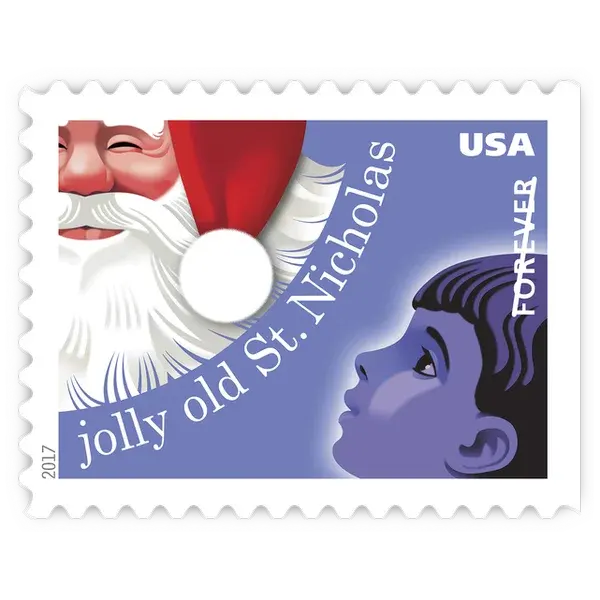
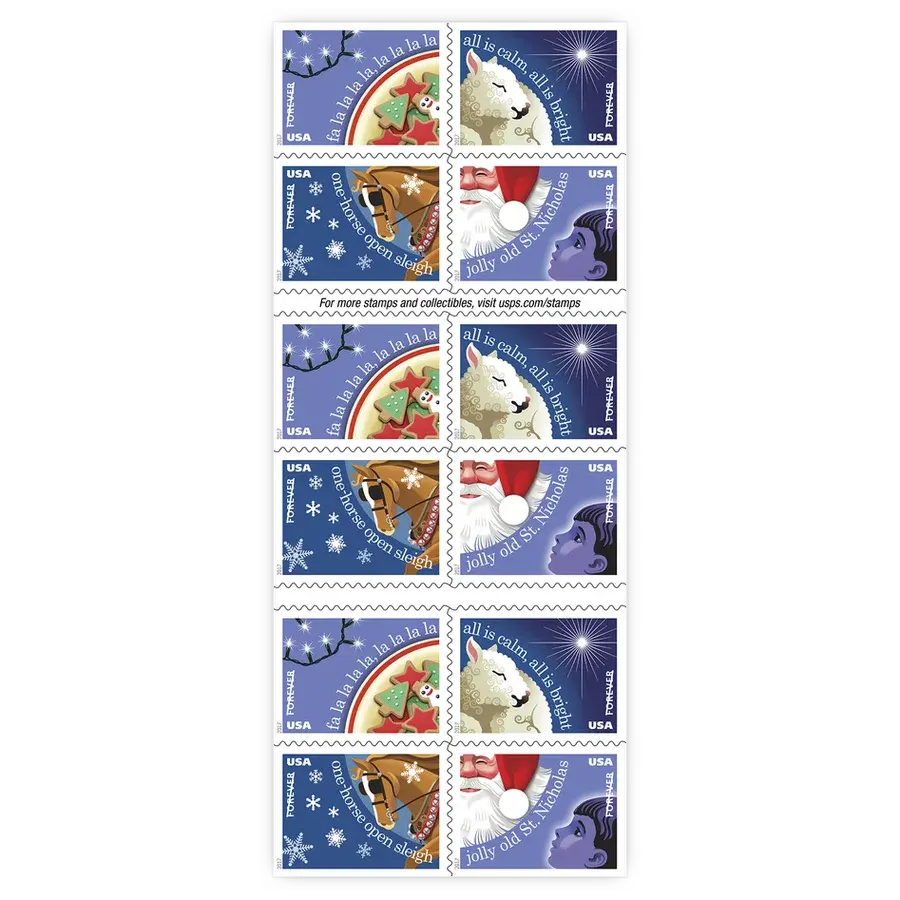
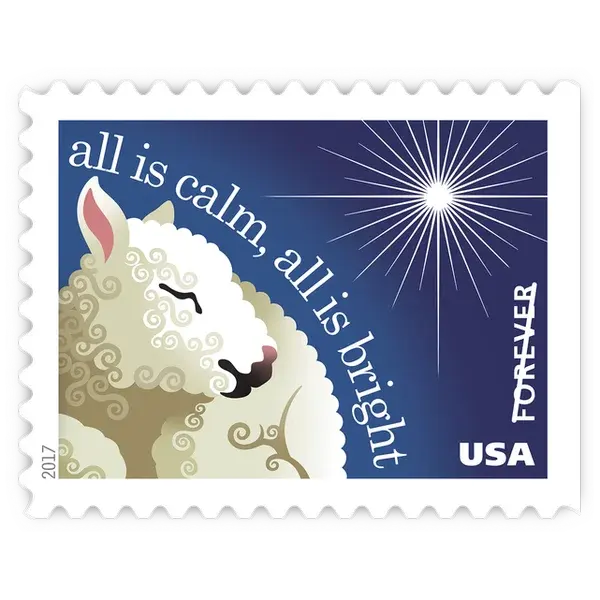
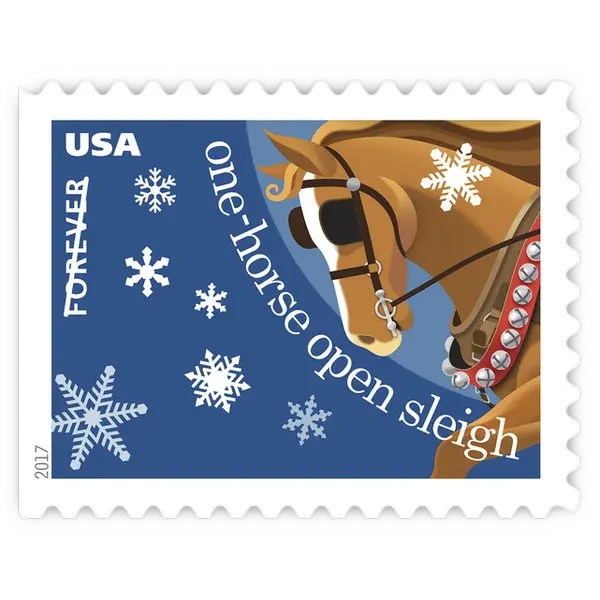
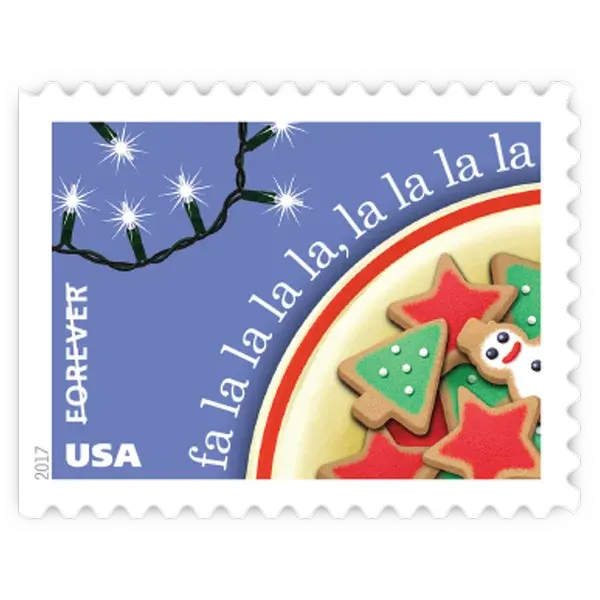
Christmas Carols Forever Stamp 2017
The Inaugural Rendition of "Silent Night"
In the quaint hamlet of Oberndorf bei Salzburg, Austria, in the year 1818, the timeless carol "Silent Night" made its debut on a serene Christmas Eve.
Legend has it that the organ of St. Nicholas?? parish had fallen into disrepair, leaving it silent in the lead-up to Christmas. In this moment of musical crisis, a young priest named Joseph Mohr drew upon a poem he had penned in 1816, vividly depicting the peaceful nativity scene of Jesus' birth.
Seeking to breathe life into his poetic verses, Mohr approached the church's organist, Franz Xaver Gruber, with a request to compose a melody and craft guitar accompaniment for the poem. Together, the duo unveiled their creation to parishioners during the midnight mass on Christmas Eve, marking the inaugural performance of the beloved carol.
In the weeks that followed, as the organ underwent repair, Gruber found himself idly testing its keys and inadvertently played the melody of "Silent Night." Enthralled by the enchanting strains, the repairman shared the song with esteemed singing groups, including the Rainers and the Strassers. These groups later introduced the carol to the courts of Franz I of Austria and Alexander I of Russia, and subsequently brought its harmonies to American shores in 1839, captivating audiences in New York City.
While the contemporary rendition of "Silent Night" is often rendered in a gentle, slow tempo, Gruber initially composed a melody with a slightly more brisk pace, set in 6/8 time. Over the years, the carol transcended linguistic barriers, with the English translation emerging in 1859, paving the way for its adoption in countless languages worldwide.
In recognition of its profound cultural significance, "Silent Night" was designated as an "intangible cultural heritage" by the United Nations Educational, Scientific and Cultural Organization (UNESCO) in 2011. Despite the ravages of time and war, the spirit of the carol endures, symbolized by the construction of the Feast of the Assumption, also known as the Silent Night Chapel, which stands as a testament to the enduring legacy of this cherished Christmas melody.