Mountain Flora Forever Stamp 2022
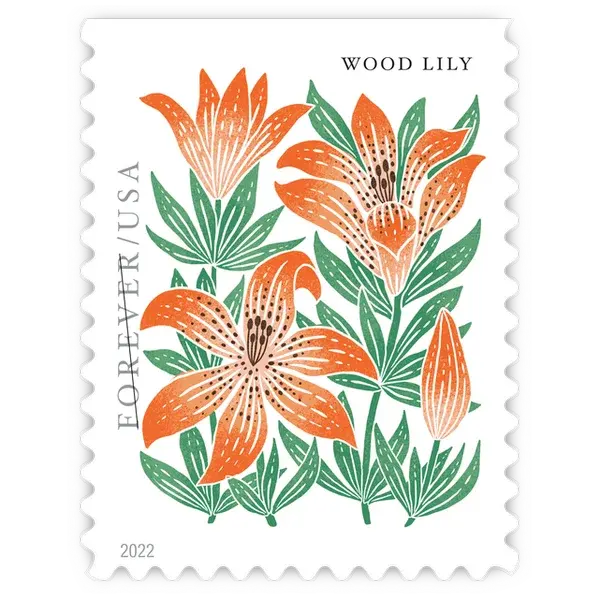
Mountain Flora Stamp: Orange-Red Wood Lily
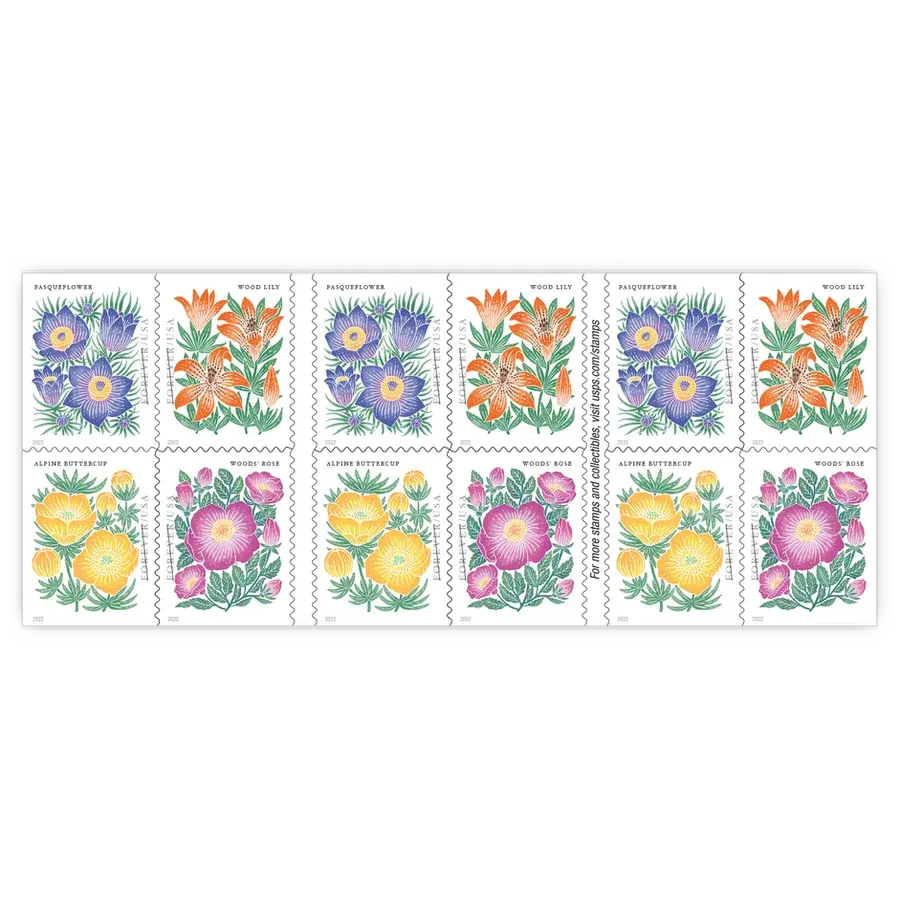
One of four stamps depicting various species of mountain flowers, this particular stamp is also available in a booklet format.
Purpose of the Stamp
The stamp was issued to highlight the natural beauty of mountain flowers.
Design Details
This stamp features an orange-red wood lily, crafted from a hand-drawn illustration that was digitally enhanced to achieve a block print-style appearance. The original artwork is by Lili Arnold.
First Day of Issue
While there was no First Day of Issue Ceremony, the First Day of Issue postmark was from Alpine, Wyoming??a town known for its proximity to mountain habitats rich in wildflowers.
The Mountain Flora Set
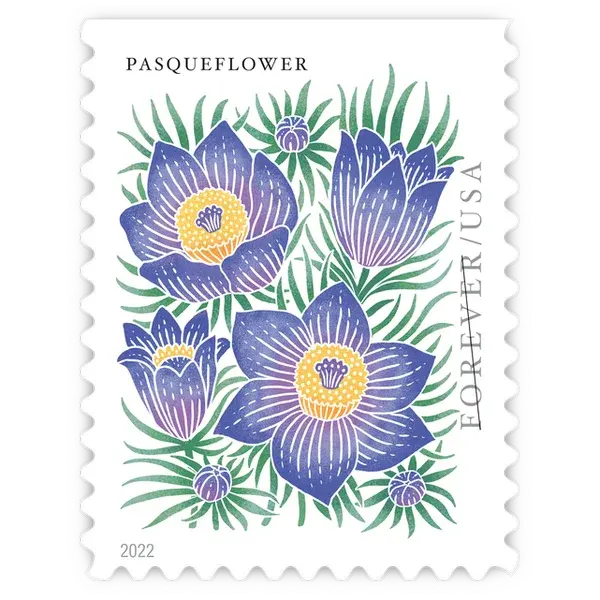
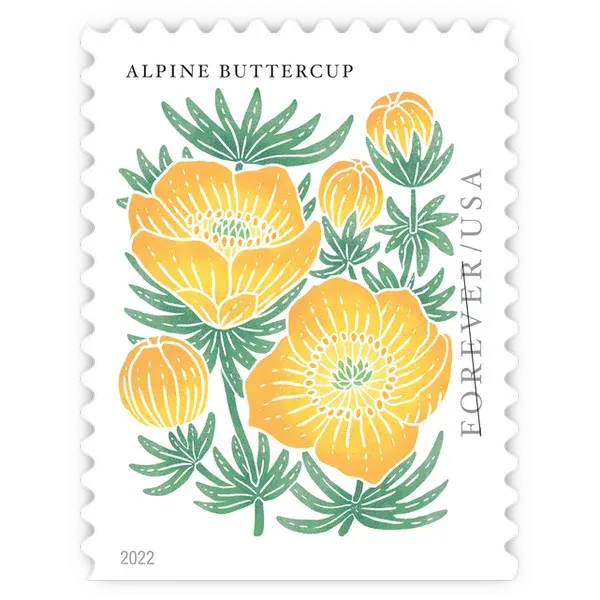
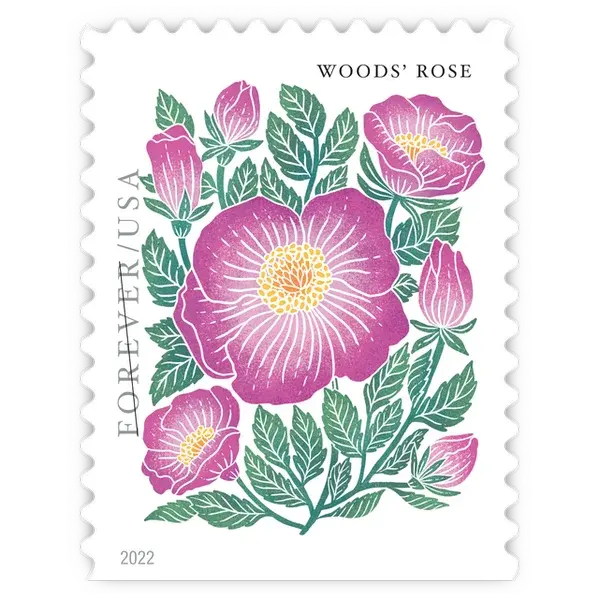
The Mountain Flora set includes four stamps, each depicting a different mountain flower: a purple pasqueflower, an orange-red wood lily, a bright yellow alpine buttercup, and a dark pink Woods?? rose. All designs are based on hand-drawn illustrations digitally refined to create a block print-style effect. Lili Arnold provided the original artwork for the series.
Historical and Botanical Significance
The wood lily (Lilium philadelphicum) is a red or orange flower native to North America, found from British Columbia to Quebec in Canada, and in several regions of the United States, including the Northeast, Great Lakes area, and the Rocky and Appalachian Mountains. Also known as the Philadelphia lily, prairie lily, or western red lily, this species is endangered in states such as Maryland, New Mexico, Tennessee, and North Carolina, and is considered threatened in Kentucky and Ohio.
Wood lilies can grow to a height of one to three feet, with each plant bearing up to five red to orange flowers marked with purplish spots. They grow from bulbs that were historically used as a food and medicinal source by some Native American tribes.
These lilies bloom from July to August, after which they form seed pods that release seeds in late summer. The seeds grow into tiny bulbs before winter, remaining dormant until they bloom the following spring.
To help preserve their beauty and ecological role, it is recommended not to pick wood lilies. Allowing them to grow and spread ensures that these stunning flowers continue to flourish in their natural habitats.