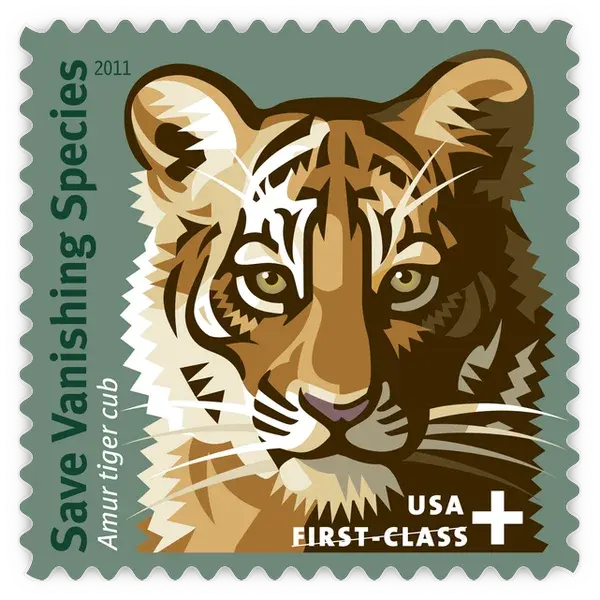
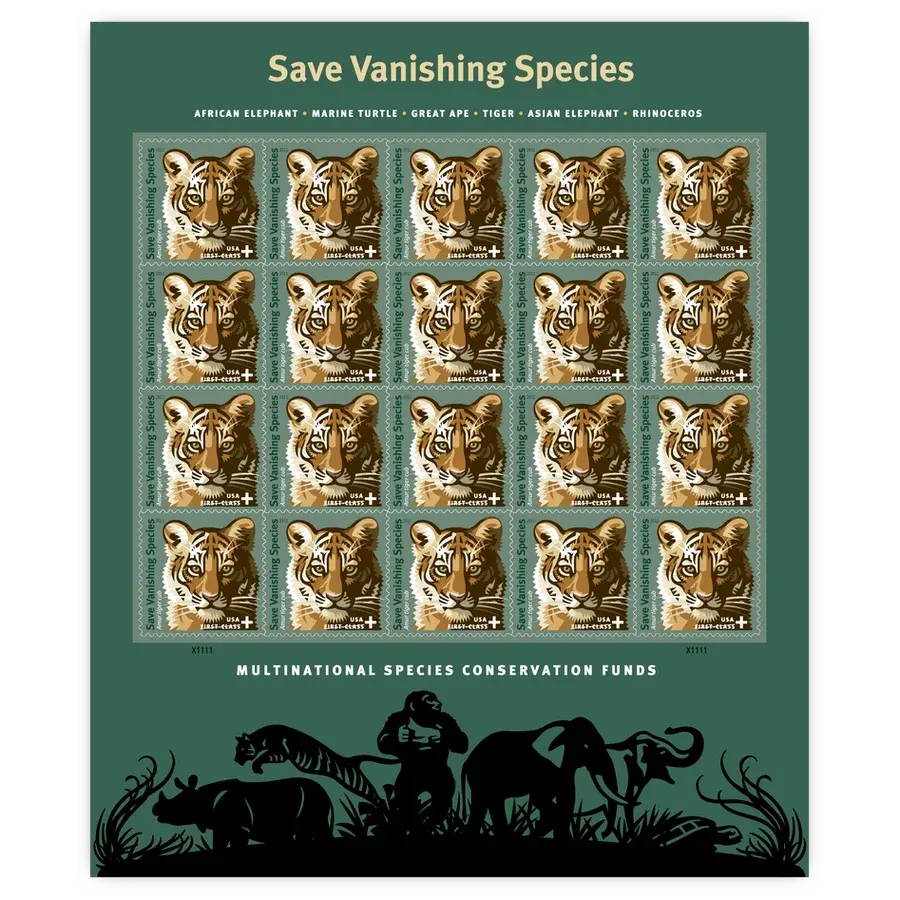
Save Vanishing Species Forever Stamp 2011
The Save Vanishing Species Stamp: A Symbol of Wildlife Conservation
In a bid to support wildlife conservation efforts, the USPS introduced its fourth semi-postal stamp on September 20, 2011, featuring the majestic Amur tiger.
Origins of the Stamp
The idea for a semi-postal stamp dedicated to wildlife conservation dates back to 2000 when the World Wildlife Fund and Wildlife Conservation Society advocated for its creation. Their efforts culminated in the passage of the Multinational Species Conservation Funds Semi-postal Stamp Act of 2010 by Congress.
Symbolism of the Amur Tiger
The stamp showcases an Amur tiger, also known as the Siberian tiger, once prevalent in Western and Central Asia. Unfortunately, poaching for their organs and lush pelts led to a drastic decline in their population during the 20th century, with only a few hundred remaining today. Artist Nancy Stahl captured the essence of the Amur tiger cub, infusing the stamp with inspiration from actual photographs of the species.
Conservation Impact
Sold for 11 cents more than the standard postage rate at the time, the stamp generated additional funds directed to the US Fish and Wildlife Service. These funds supported global conservation initiatives through the Wildlife Without Borders program, benefiting iconic endangered species like elephants, rhinoceroses, tigers, marine turtles, and great apes.
Individual Contribution to Conservation
By purchasing the Save Vanishing Species stamp, individuals could actively participate in wildlife conservation with each letter they mailed. This initiative empowered individuals to leverage their purchasing power for the protection of endangered wildlife.
Continued Impact
Initially available from September 2011 to December 2013, the stamp exceeded expectations, selling over 25 million units and raising more than $2.75 million. Its success prompted President Obama to extend its availability through 2018, resulting in a cumulative fundraising total exceeding $5.2 million as of July 2018.